











Finding Just Got Free: That’s Why Fixing Is the Only Game That Matters

When Anthropic revealed Claude Mythos and Project Glasswing, the industry did what the industry always does with a frontier-AI story: it reached for the alarm. The headlines, Reddit threads, and back-channel conversations all focused on the same things:
- A model that autonomously finds and exploits zero-days across every major operating system and browser.
- A disclosure-to-exploit window accelerated from months to minutes.
- Vendor stocks down double digits in a day.
- The Treasury and the Fed pulling banks into a room.
All of that is real, and none of it is the part that should keep a security leader up at night.
Here is the part that should.
Finding Vulnerabilities Was Never Your Bottleneck
Walk into almost any enterprise security team’s conference room and ask them what their hardest problem is. Almost none of them will say “we can’t find enough vulnerabilities.” They are already buried. Scanners, cloud posture tools, application security platforms, attack-surface monitors, threat feeds combine as a firehose of findings. The team’s real job has always been to figure out which of the thousands of findings on any given day actually matter, who owns the fix, and how to get it closed before someone exploits it.
It’s the unglamorous, unsolved problem of vulnerability management, and it’s been that way for a decade and more.
Mythos didn’t introduce it.
Mythos poured gasoline on it.
If a frontier model can find and prove the exploitability of an order of magnitude more flaws than human researchers ever could, then the volume of validated, urgent, “this one is real” findings hitting your team is about to increase by a factor most programs are not built to absorb.
Complicating matters is the simple fact that the time to exploit has collapsed. The thing that used to give you breathing room is gone. The long, quiet gap between a vulnerability being disclosed and a working exploit existing is the thing AI took away first.
So, the math flips. When finding was hard and slow, having a better scanner was an advantage. When finding becomes effectively free and continuous, the advantage moves entirely downstream, to the speed and reliability with which you can go from “found” to “fixed and proven down.”
The Good News the Alarm-ringers Skip
It’s worth being clear-eyed and calm here, because the panic framing misses something important: the same capability that makes this moment dangerous is also an extraordinary gift to defenders. The finders — Mythos, the Glasswing partners, the wave of AI-assisted tools right behind them — are about to hand security teams the best picture of their real, exploitable exposure that has ever existed. That is genuinely good. We are, finally, pro-finding.
But a better picture is only worth something if you can act on it. A team that gets ten times more validated findings and still routes them through human-speed triage and manual ticketing doesn’t become ten times safer. It becomes ten times more overwhelmed. The gift becomes the flood.
What Actually Matters Now
The organizations that come out of this era ahead will not be the ones with the most finding tools. They’ll be the ones who treated remediation as an operational discipline rather than an afterthought. Concretely, that means three things:
- Unify everything — neutrally. Findings will come from more sources than ever, including AI finders that don’t belong to any one vendor’s stack. You need a single, trusted, deduplicated picture of your exposure that sits above every scanner and every platform. You don’t need another silo that only sees its own slice. Neutrality is not a ‘nice-to-have’ feature; it is the foundation.
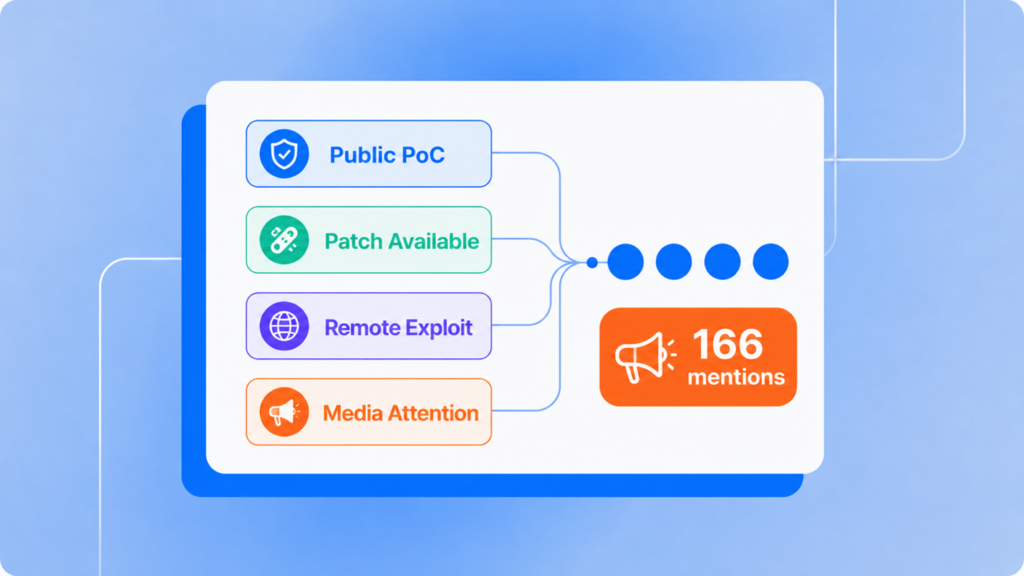
- Prioritize with business context, not just severity. A flood of “critical” findings is not a priority list. The teams that stay ahead can answer, in real time, which exposures represent genuine, exploitable risk to this business right now: connecting the vulnerability to the asset, the asset to the service, the service to the impact.
- Mobilize at machine speed, and prove it. This is the part almost no one is talking about. The true work lies in getting the right fix to the right owner, through the systems they work in, with the loop closed and the exposure demonstrably reduced. When the clock is measured in minutes, a remediation process measured in weeks is a breach waiting to be scheduled.
The Honest Bottom Line
Mythos is not a reason to panic. It is a reason to be honest about where your program is slow. For most teams, the slow part was never finding. It was everything that happens after.
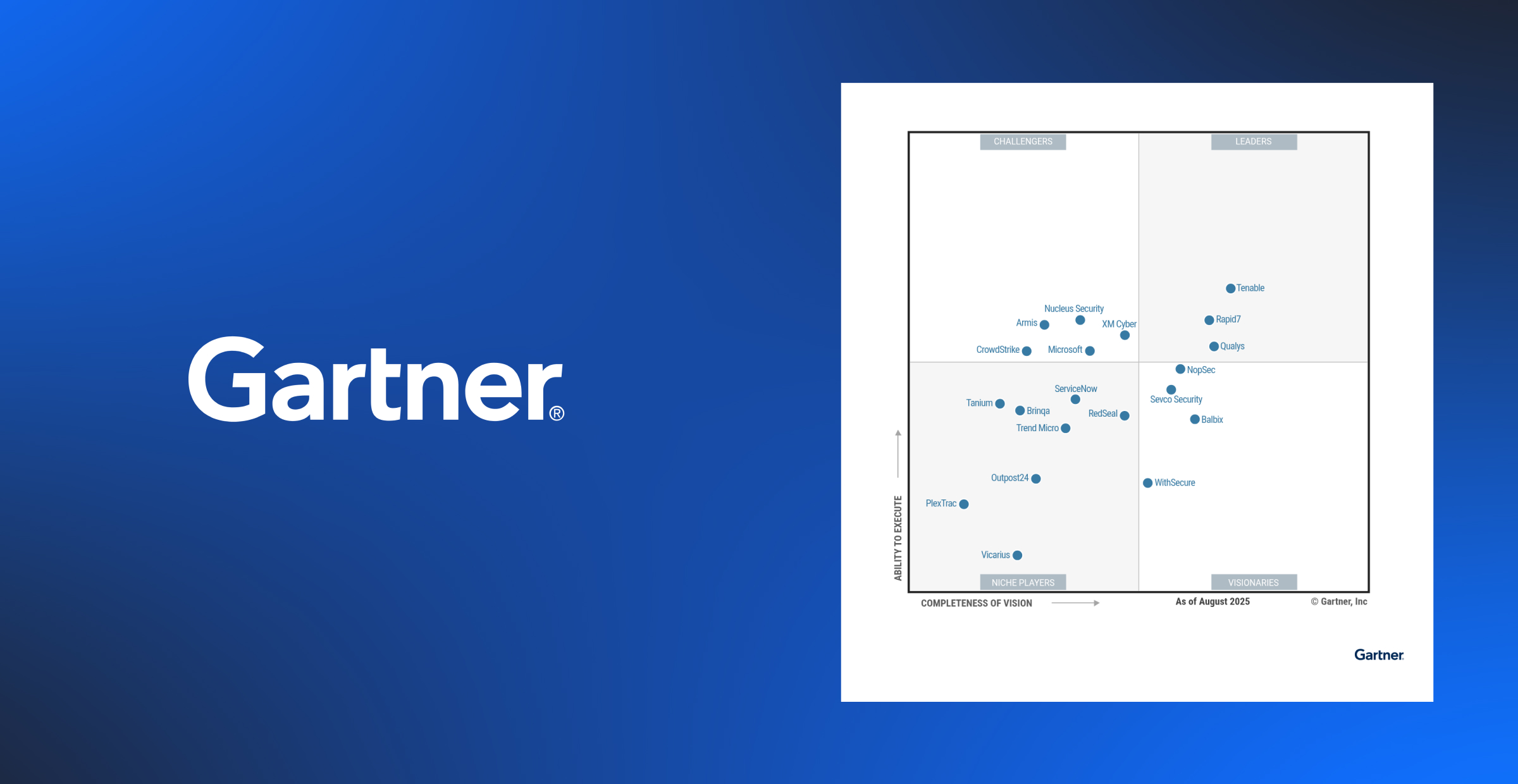
Every security platform built around being a better finder is about to discover that the market has commoditized its core advantage. The durable advantage — the one AI makes more valuable, not less — is the ability to take whatever the finders surface, from any source, and drive it to closure faster than an adversary can act. Finding got free. Fixing got decisive.
That’s the work Nucleus was built for, and it’s the work we’d argue every security program should be reorganizing around right now. The window is open. The point is to close it before someone else does.

See Nucleus in Action
Discover how unified, risk-based automation can transform your vulnerability management.