















KNOWLEDGE CENTER
What is Vulnerability Assessment?
Organizations need visibility into security weaknesses and an understanding of which should be addressed first. Vulnerability assessments play a key role in achieving these goals.
Assess Before Acting to Reduce Risk
Every organization has vulnerabilities. Software bugs, configuration mistakes, missing patches, exposed services, and insecure permissions can create opportunities for attackers to gain access to systems, disrupt operations, or steal sensitive data.
Vulnerability assessment is the process of identifying, analyzing, and evaluating those vulnerabilities across an organization’s systems, applications, cloud environments, endpoints, and other digital assets. The goal is to discover vulnerabilities before attackers can exploit them and provide the information needed to reduce risk.
While vulnerability assessment has been a foundational cybersecurity practice for decades, the scope of the modern attack surface has changed dramatically. Cloud infrastructure, software supply chains, remote workforces, and rapidly changing environments have increased both the number and complexity of vulnerabilities organizations must manage. As a result, the most important outcome of vulnerability assessment is understanding which weaknesses matter most.
Why Is Vulnerability Assessment Important?
Vulnerability assessment helps security teams move from assumptions to visibility. Rather than guessing where weaknesses exist, organizations gain a measurable understanding of their attack surface and can make remediation decisions based on actual findings.
Security teams use the vulnerability assessment process to understand how severe weaknesses are and which issues should be addressed first. Assessments help organizations improve security posture, meet compliance requirements, and make more informed risk-reduction decisions.
What Does Vulnerability Assessment Identify?
Vulnerability assessment uncovers a wide range of security weaknesses, including:
Unpatched Software
Applications, operating systems, and devices that are missing security updates often contain known vulnerabilities that attackers can exploit.
Misconfigurations
Improperly configured cloud resources, servers, databases, applications, and network devices can expose systems to unnecessary risk.
Weak Authentication Controls
Poor password policies, excessive privileges, and improperly secured accounts can create opportunities for unauthorized access.
Network Exposures
Open ports, vulnerable services, and insecure network configurations can expand the attack surface available to attackers.
Application Security Weaknesses
Web applications and APIs may contain vulnerabilities such as SQL injection, cross-site scripting (XSS), insecure authentication mechanisms, and other exploitable flaws.
Types of Vulnerability Assessment
Organizations typically perform several different types of vulnerability assessments depending on the assets being evaluated.
Network Vulnerability Assessment
Examines network devices, services, and infrastructure to identify weaknesses that could be exploited by attackers.
Host-based Vulnerability Assessment
Evaluates servers, endpoints, and other individual systems for missing patches, insecure configurations, and software vulnerabilities.
Application Vulnerability Assessment
Focuses on web applications, APIs, and software platforms to identify coding flaws, insecure configurations, and runtime risks.
Database Vulnerability Assessment
Reviews databases for insecure settings, excessive privileges, outdated software, and sensitive data exposure.
Cloud Vulnerability Assessment
Analyzes cloud infrastructure and services for security gaps, identity risks, exposed resources, and configuration issues.
Wireless Vulnerability Assessment
Evaluates wireless networks and access points for weaknesses that could allow unauthorized access or eavesdropping.
How Does the Vulnerability Assessment Process Work?
While methodologies vary, most vulnerability assessments follow a similar workflow.
Asset Discovery
The first step is identifying the systems, applications, cloud resources, and other assets that need to be assessed.
Without accurate asset visibility, organizations risk overlooking important portions of their attack surface.
Vulnerability Identification
Automated scanners and security tools examine assets for known vulnerabilities, misconfigurations, and security weaknesses.
This phase often incorporates multiple sources of intelligence, including vulnerability databases, security advisories, threat intelligence feeds, and configuration benchmarks.
Analysis and Validation
Security teams review findings to determine:
- Which assets are affected
- How severe each vulnerability is
- Whether exploitation is likely
- What business systems may be impacted
Not every vulnerability introduces the same level of risk. Context matters.
Prioritization
Teams evaluate findings based on factors such as:
- Severity scores
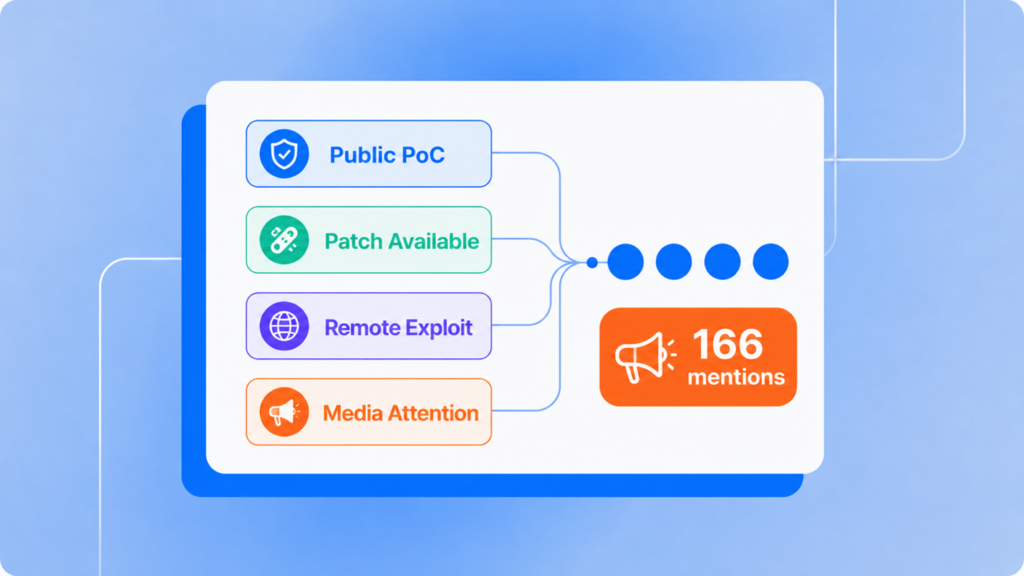
- Exploit availability
- Threat intelligence
- Asset criticality
- Exposure to attackers
- Potential business impact
This step is increasingly important because organizations often discover thousands of vulnerabilities but only have resources to remediate a fraction of them immediately.
Remediation and Verification
The final phase involves addressing identified vulnerabilities through patching, configuration updates, compensating controls, or risk acceptance decisions.
Once remediation is complete, organizations typically reassess affected systems to verify the issue has been resolved.
Vulnerability Assessment vs. Vulnerability Management
These terms are often used interchangeably, but they are not the same thing.
Vulnerability assessment is the process of discovering and evaluating vulnerabilities at a specific point in time.
Vulnerability management is the ongoing program responsible for identifying, prioritizing, tracking, remediating, and reporting on vulnerabilities across the organization.
Think of vulnerability assessment as an activity and vulnerability management as the broader operational discipline. Assessments provide the data. Vulnerability management turns that data into action.
Common Challenges with Vulnerability Assessement
Despite its importance, many organizations struggle to get consistent value from the vulnerability assessment process. Common obstacles to achieving maximum value from this process include:
Too Many Findings
Modern environments can generate tens of thousands of vulnerability findings, making remediation prioritization difficult.
Too Little Time
Operational change windows and teams’ capacity can limit an organization’s ability to remediate everything.
Operational Complications
Some fixes must be done in a linear, not parallel, manner. Other remediations may operationally pose more risk than the vulnerability they are fixing, forcing difficult risk decisions.
Limited Context
Finding a vulnerability doesn’t automatically explain whether it represents a meaningful risk to the organization.
Asset Visibility Gaps
Unknown assets, often referred to “Shadow IT” or, more recently, “Shadow AI,” frequently create blind spots that weaken assessment effectiveness.
Tool Silos
Vulnerability data is often spread across scanners, cloud security platforms, endpoint tools, ticketing systems, and other security technologies.
Prioritization Fatigue
Security teams frequently spend more time deciding what to fix than actually fixing issues.
Modern Vulnerability Assessment Requires Context
Historically, vulnerability assessment focused on discovering vulnerabilities and assigning severity scores.
Today, effective vulnerability assessment goes further.
Leading security teams combine vulnerability findings with:
- Asset criticality
- Threat intelligence
- Exploitability data
- Exposure conditions
- Identity relationships
- Business context
This additional context helps organizations identify which vulnerabilities pose the greatest actual risk rather than simply which vulnerabilities have the highest severity score.
As attack surfaces continue to grow, the ability to understand risk in context becomes just as important as the ability to detect vulnerabilities in the first place.
Key Takeaways
Vulnerability assessment is the process of identifying, analyzing, and evaluating security weaknesses across an organization’s environment. It provides the visibility needed to understand where risk exists and serves as the foundation for effective vulnerability management.
However, discovering vulnerabilities is only the beginning. Modern organizations must also understand which findings matter most, how vulnerabilities relate to business risk, and where remediation efforts will have the greatest impact.
The most effective vulnerability assessment programs combine comprehensive visibility with contextual prioritization, enabling security teams to move beyond finding vulnerabilities and toward reducing real-world risk.
See Nucleus in Action
Discover how unified, risk-based automation can transform your vulnerability management.