














AI IN VULNERABILITY MANAGEMENT
What AI Can Solve, What It Can’t, and What Teams Need Next
What is AI’s Place in Modern Vulnerability Management Programs?
AI is reshaping vulnerability management, but not in the way most vendors claim or how they are embracing the technology. As AI accelerates vulnerability discovery and increases the speed of exploitation, many teams are asking the wrong question:
How can we use AI to find more vulnerabilities?
The better question, the one they should be asking, is: How will we manage and remediate them? AI helps security teams move faster, reduce manual effort, and improve prioritization. But AI alone cannot fix broken processes, poor data quality, unclear ownership, or growing remediation backlogs.
The organizations that succeed in the AI era won’t be the ones with the most AI features. They’ll be the ones with the strongest operational foundation.
The AI Hype Is Real, But So Is the Risk of Getting it Wrong
AI has become the centerpiece of nearly every cybersecurity conversation. Vendors are racing to add AI capabilities; executives are demanding AI strategies; and security teams are under growing pressure to demonstrate adoption.
In vulnerability management and exposure management, more AI does not automatically create better outcomes.
Many organizations are approaching AI as a shortcut, hoping a new tool will eliminate years of operational challenges. In practice, AI often amplifies existing strengths and weaknesses. Teams with mature processes can gain significant efficiency. Teams with fragmented data, inconsistent prioritization, and weak remediation workflows often discover AI simply helps them make mistakes faster.
The reality is simple: AI is a force multiplier, not a replacement for vulnerability management fundamentals.
What AI Can Solve in Vulnerability Management
Used strategically, AI can provide meaningful advantages across the vulnerability management lifecycle. The key phrase here is “used strategically.” AI isn’t a cure-all, but used properly it yields real, measurable benefits to your program.
Reduced Data Overload
Security teams already struggle to process massive amounts of vulnerability information from scanners, cloud security tools, application security platforms, threat feeds, and asset inventories. AI excels at:
- Normalizing security findings
- Deduplicating information across sources
- Aggregating threat intelligence
- Enriching findings with context
- Identifying meaningful patterns at scale
Instead of manually reviewing thousands of alerts, teams can focus their attention on a smaller set of actionable issues.
Improved Risk-Based Prioritization
AI can help security teams move beyond severity scores alone by incorporating:
- Threat & exposure intelligence
- Exploit activity
- Asset criticality
- Business context
This enhanced context creates a more accurate picture of which vulnerabilities pose real organizational risk and require the most immediate attention to resolve.
Accelerated Operational Workflows
Vulnerability management workflows are often highly manual, requiring repeat human interaction across multiple stages. AI can automate routine work such as:
- Ticket creation
- Routing findings to asset owners
- Data enrichment
- Report generation
- Threat research
By reducing administrative burden, security teams gain more time to focus on decision making and remediation outcomes.
What AI Can’t Solve in Vulnerability Management
The biggest misconception in the market is that AI can compensate for operational immaturity or that it can replace the entirety of your vulnerability management technology stack.
It cannot. Despite some very real benefits to enterprise security teams, AI’s capabilities have their limits.
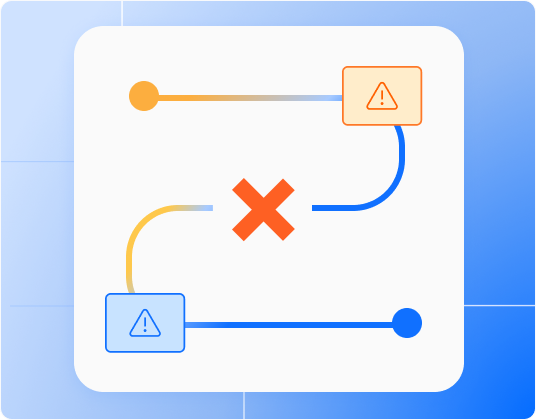
AI Can’t Fix Broken Processes
If remediation ownership is unclear today, AI won’t suddenly create accountability. Teams struggling to meet or enforce SLAs won’t suddenly be able to do so thanks to a new AI tool being released. And, AI doesn’t eliminate the organizational friction caused by security and engineering teams operating in sils.
Technology, AI included, can only accelerate and improve foundationally sound processes. It cannot replace them, and certainly can’t fill the gap where process doesn’t exist.
AI Can’t Create Accurate Decisions from Poor Data
The quality of AI outcomes depends on the quality of the inputs. When organizations feed inconsistent, fragmented, or inaccurate vulnerability data into AI systems, the result is simply faster execution of flawed decisions.
A mature vulnerability management program still requires data normalization across sources, reliable asset context, clear ownership, consistent workflows, and most important, human oversight.
Without those foundations, AI becomes another layer of complexity and creator of errors rather than a source of value.
AI Can’t Replace Human Judgement
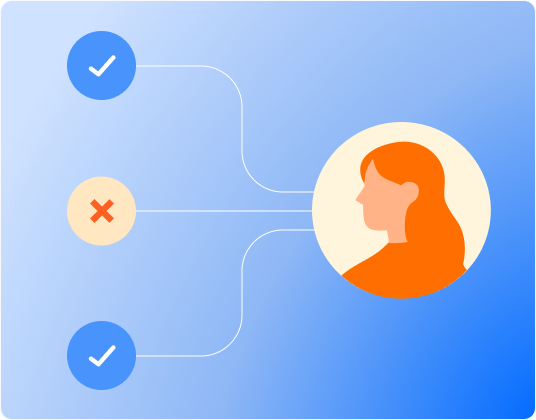
AI may provide recommendations, suggest priorities, and be very good at identifying patterns. No matter how good AI gets, security teams remain responsible for risk decisions.
Organizations that rely entirely on AI risk falling victim to hallucinations, inaccurate recommendations, or context gaps unique to their environment. Human expertise remains essential, and humans will be held accountable for the results.
The Real Shift: Finding Is Becoming Faster and Easier
For years, security teams invested heavily in discovery tools. Today, nearly every organization already has more findings than it can effectively manage, thanks in part to that investment.
Now AI is making finding vulnerabilities even faster. As frontier AI models improve vulnerability discovery and exploit development, security programs face increasing pressure on the operational side of the house.
Remediation execution is becoming the competitive advantage security teams are chasing.
What Teams Need Next: An AI-ready Foundation
Organizations preparing for the AI era should focus less on adding another AI feature and more on strengthening the operational foundation that allows AI to deliver results. Key capabilities in this race include:

Unified Visibility
Aggregate findings from every source into a single, normalized view of exposure.

Business-aware Prioritization
Connect vulnerabilities to business context, exploitability, and actual risk.

Automated Orchestration
Route validated risks to the right teams through the systems they already use.

Verified Remediation
Measure success by exposure reduction and closure, not detection volume.

Governance and Accountability
Ensure AI recommendations operate within documented workflows and human oversight.
Build a Vulnerability Management Program Ready for the AI Era
AI can help reduce manual work, accelerate prioritization, and improve security operations. Successful vulnerability management still depends on the fundamentals: unified data, risk-based decision making, effective remediation workflows, and measurable outcomes.
The future belongs to organizations that use AI to strengthen those foundations, not replace them.
See how Nucleus helps teams reliably operationalize vulnerability management at AI scale.