Frequently Asked Questions
Product Information
What is Nucleus and what does it do?
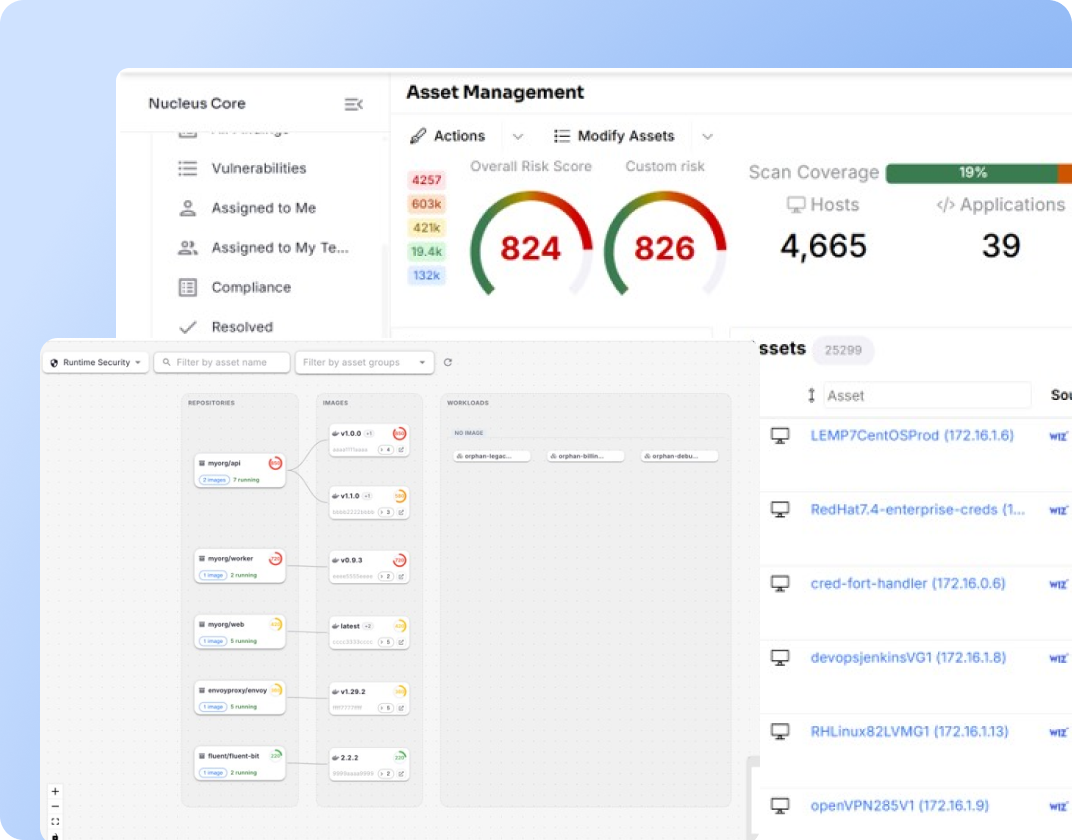
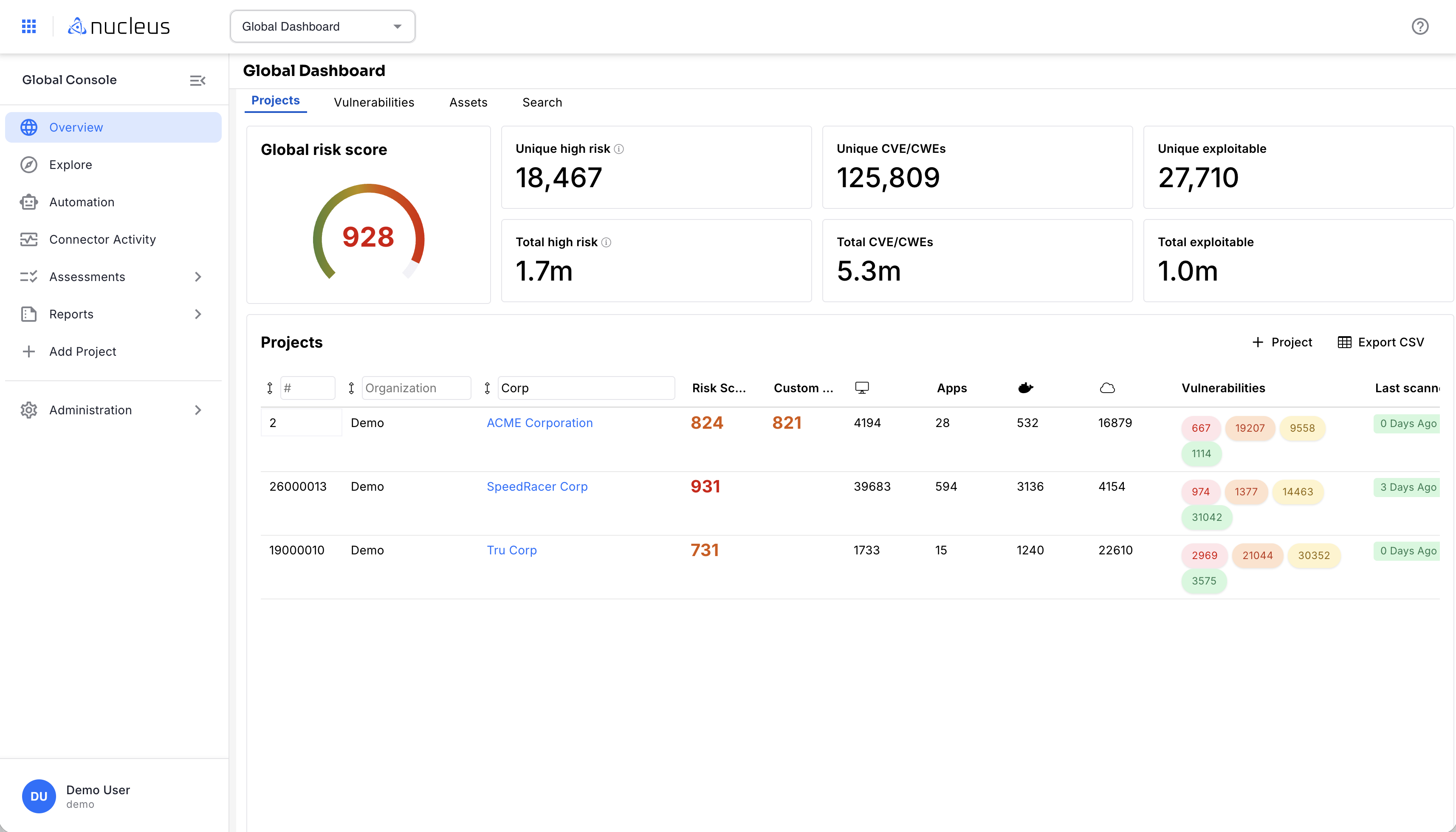
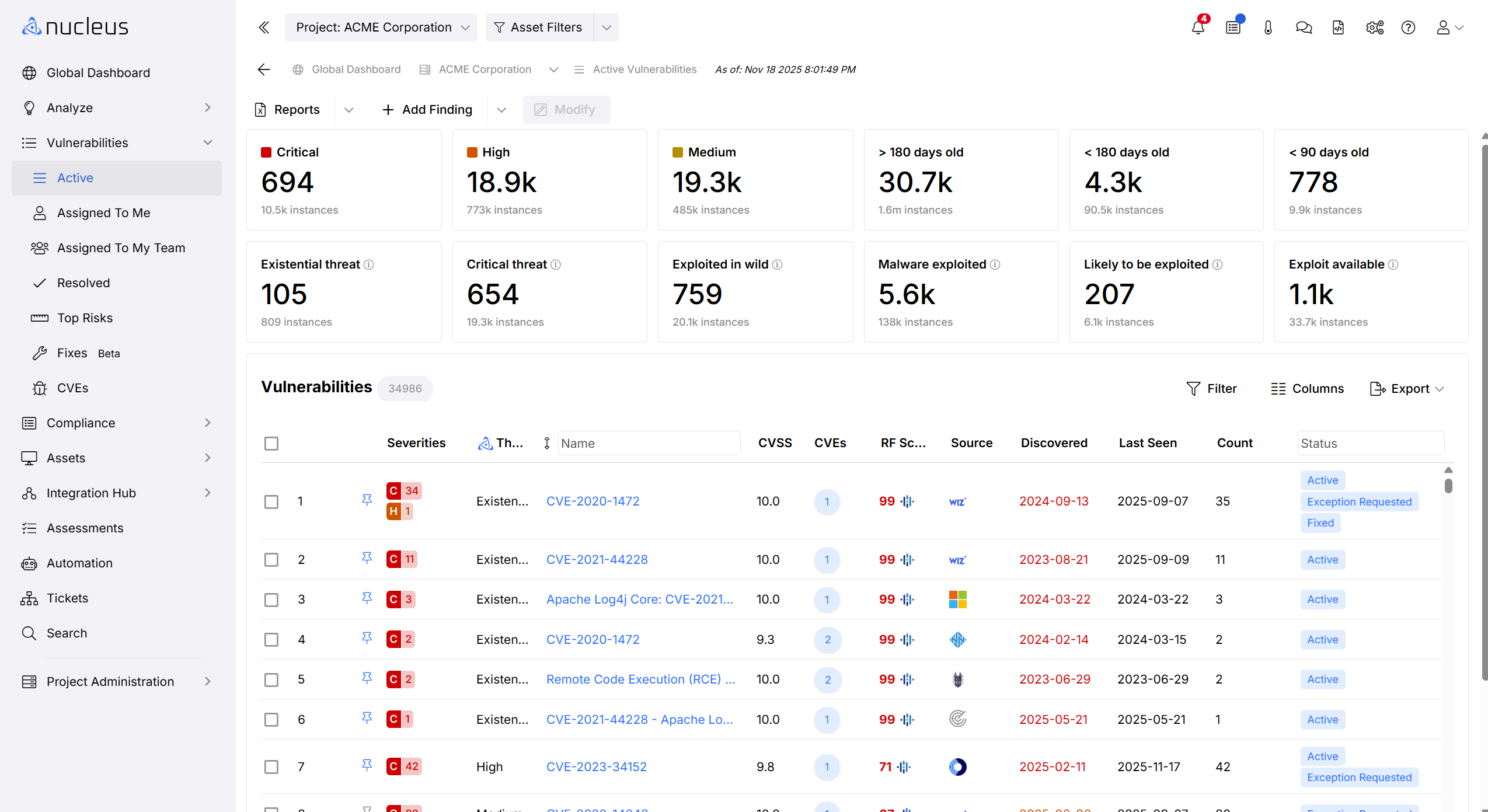
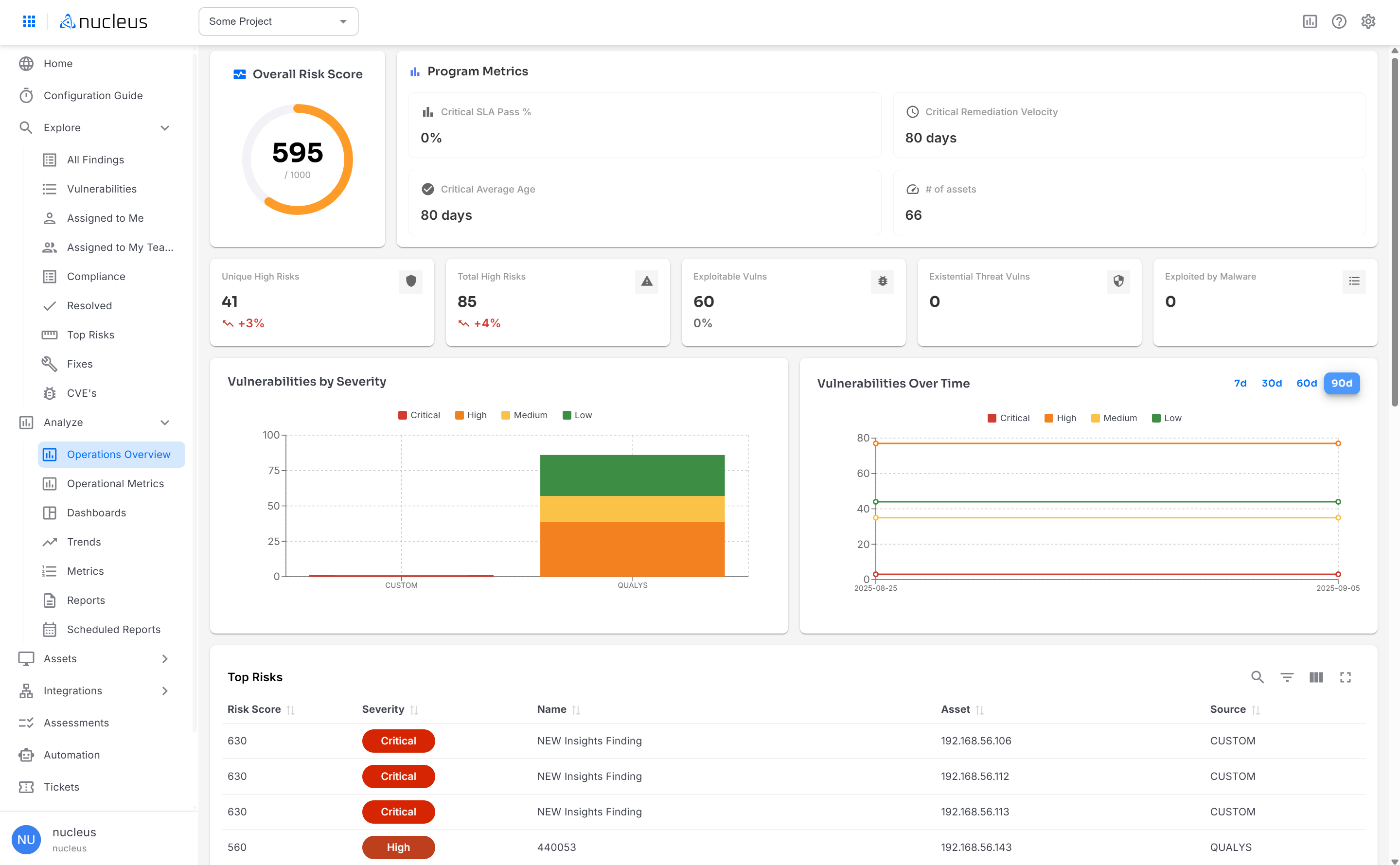
Nucleus is a unified vulnerability management platform that aggregates data from your existing security tools, providing a centralized command center for vulnerability analysis, triage, and remediation. It automates workflows, prioritizes risks using real-world intelligence, and helps organizations align with compliance frameworks. Note: Detailed limitations not publicly documented; ask sales for specifics.
What products and services does Nucleus offer?
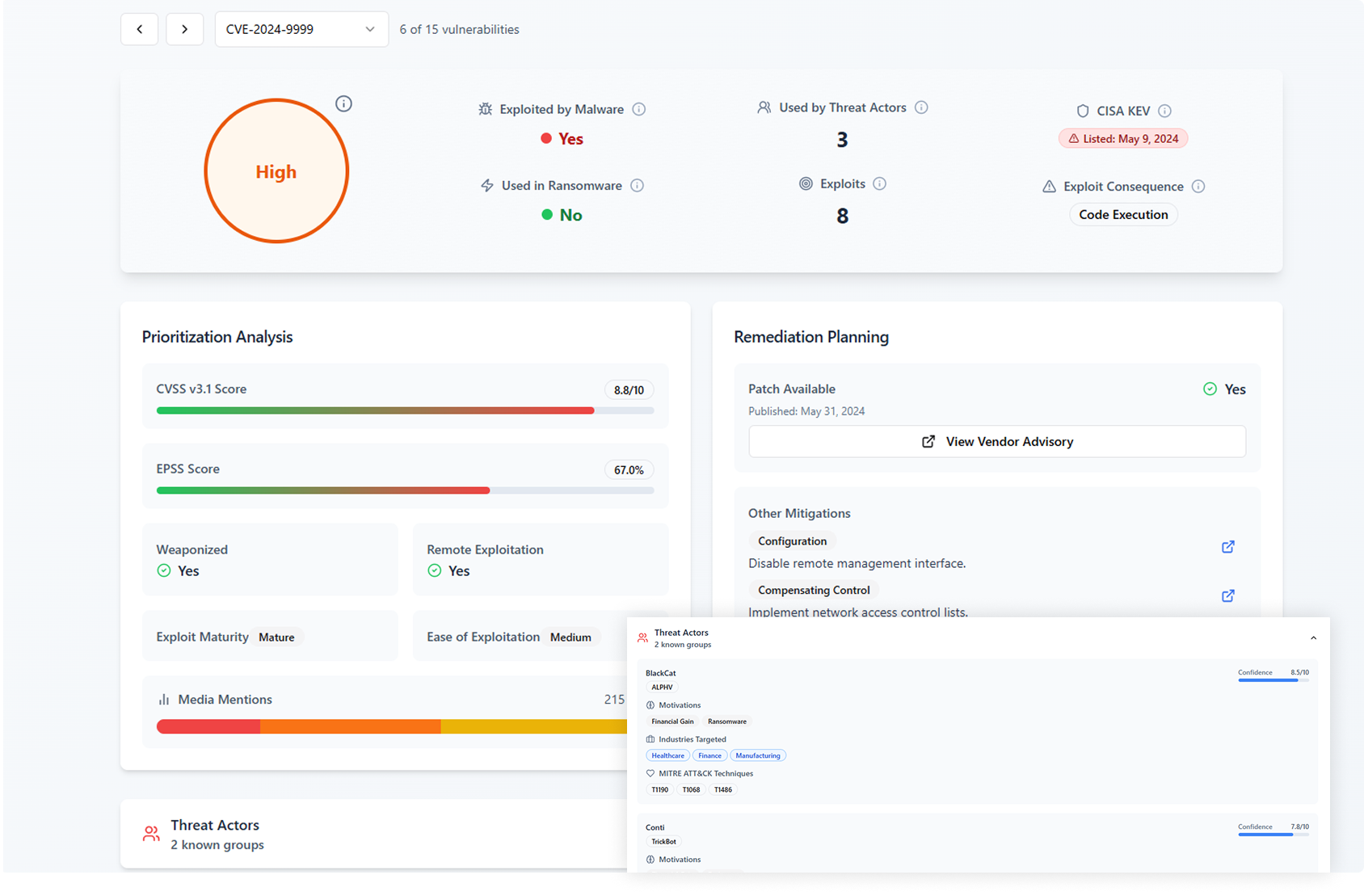
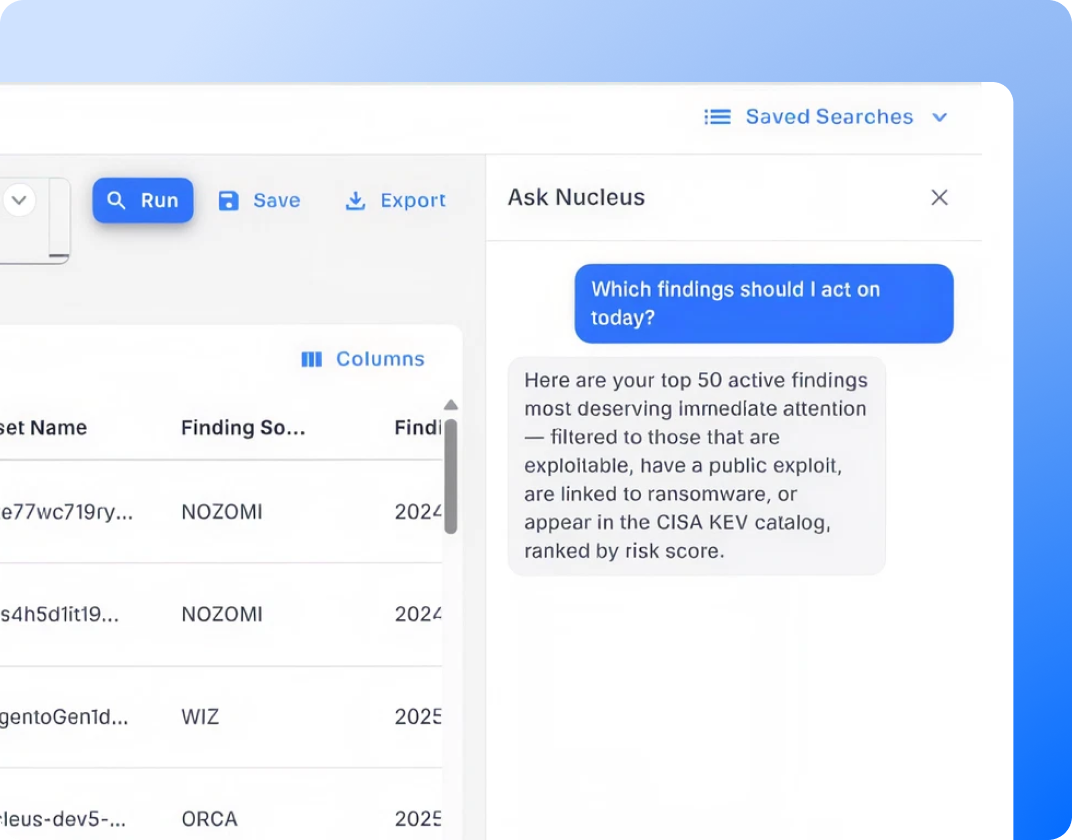
Nucleus offers the Vulnerability Intelligence Platform (VIP), which aggregates vulnerability data, prioritizes risks, and automates remediation workflows. Additional tools include Nucleus Insights (an AI-powered intelligence feed) and the MCP Server for advanced data interaction. Nucleus also provides tailored solutions for exposure management, risk-based vulnerability management, application security, and cloud vulnerability & exposure management. Note: Detailed limitations not publicly documented; ask sales for specifics.
Features & Capabilities
What are the key features and capabilities of the Nucleus platform?
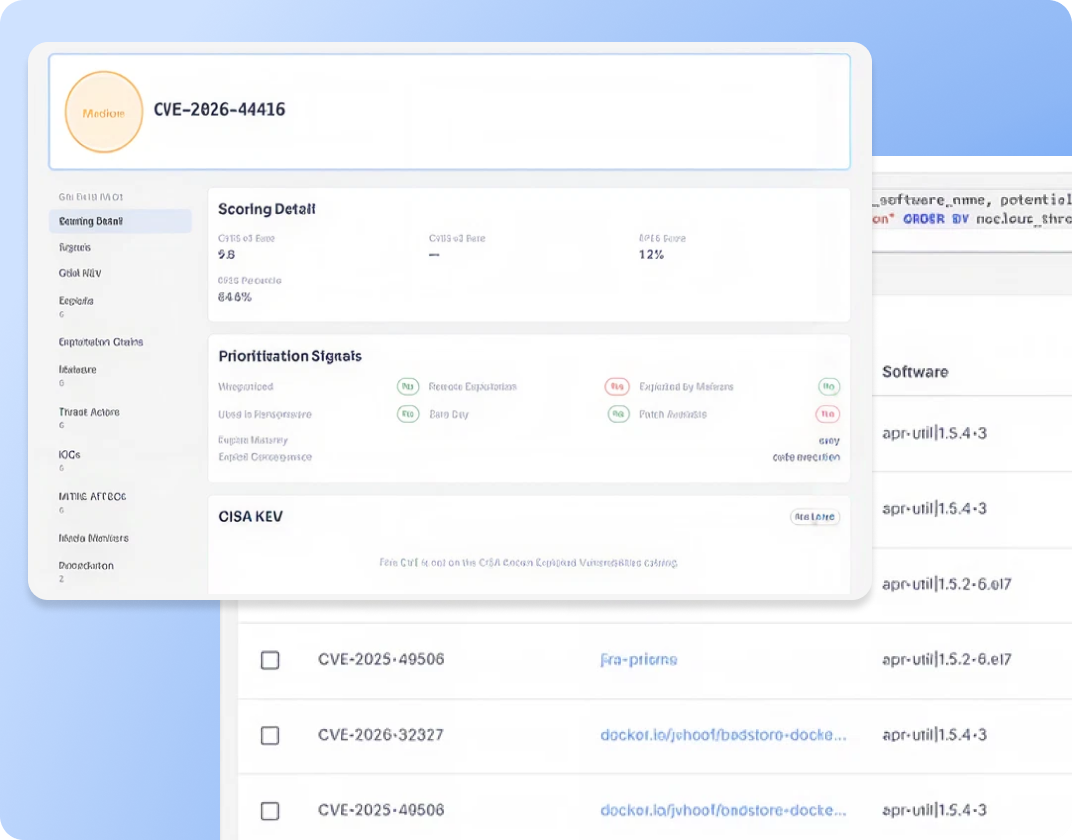
Nucleus consolidates vulnerability data from multiple tools, provides risk-based prioritization using asset context and threat intelligence, automates remediation workflows (including ticketing and ownership assignment), and simplifies compliance with frameworks like NIST, FedRAMP, and CISA. It also automates POA&M compliance for public sector entities, integrates production risk context into application security, and manages exposures across hybrid cloud environments. Note: Nucleus may not be the best fit for organizations with highly specialized or proprietary security tools not supported by its integrations.
What integrations does Nucleus support?
Nucleus integrates with over 160 tools across categories such as ITSM (e.g., Jira), CWPP (Microsoft), DAST (Qualys, Tenable), SCA (Alienvault USM), Containers (AWS EC2, Prisma, Palo Alto Networks), SAST (Github), CSPM (Wiz, Orca), Pen Testing (Synack, HackerOne), EDR (CrowdStrike), OT (Nozomi), and ASM (SecurityScorecard, Censys). For a complete list, visit the integrations page. Note: Some niche or proprietary tools may not be supported; check the integrations list for specifics.
Does Nucleus offer an API?
Yes, Nucleus provides an API that allows users to interact with the Nucleus Database for custom dashboards, real-time reporting, and integration with third-party tools such as SIEM and SOAR. Full documentation is available at the API documentation page. Note: API usage may require technical expertise for advanced integrations.
What technical documentation and resources are available for Nucleus?
Nucleus offers comprehensive technical documentation, including API docs (API documentation), FlexConnect Framework setup guides (FlexConnect docs), a help and support portal (help.nucleussec.com), and step-by-step onboarding guides (Quickstart section). Note: Some advanced documentation may require registration or support access.
Use Cases & Benefits
What problems does Nucleus solve?
Nucleus addresses challenges such as scattered vulnerability data, ineffective risk prioritization, manual and error-prone remediation workflows, complex compliance requirements, inefficient POA&M management, and exposure management across large or hybrid cloud environments. It also helps integrate production risk context into application security processes. Note: Organizations with highly customized workflows may require additional configuration.
Who can benefit from using Nucleus?
Nucleus is designed for security analysts, development and IT teams, CISOs and security leadership, and GRC/compliance teams. It is suitable for organizations in regulated industries (healthcare, finance, government), large enterprises, managed security service providers (MSSPs), and public sector entities (federal, state, local, education). Note: Smaller organizations with limited security infrastructure may not require the full breadth of Nucleus's capabilities.
What business impact can customers expect from using Nucleus?
Customers have reported improved operational efficiency, enhanced security outcomes, cost savings, simplified compliance, centralized visibility, and faster remediation. For example, some organizations have reduced critical vulnerabilities by up to 86%. Note: Actual results may vary depending on organizational maturity and implementation scope.
Can you share specific case studies or success stories of customers using Nucleus?
Yes. Notable examples include Bank of Hope achieving zero critical vulnerabilities (case study), a Tier-1 airline reducing 86% of critical vulnerabilities (case study), and a healthcare enterprise reducing its backlog from 4,000 vulnerabilities to just nine critical threats (case study). Note: Outcomes depend on customer engagement and implementation.
Which industries are represented in Nucleus's customer case studies?
Industries include banking and financial services, airlines, healthcare, cybersecurity services, education, energy and utilities, retail and consumer goods, public sector, and technology. For more, see the Customer Stories page. Note: Some industries may have unique requirements not addressed in all case studies.
Security & Compliance
What security and compliance certifications does Nucleus have?
Nucleus is SOC2 compliant and holds FedRAMP Moderate Authorization, meeting rigorous security requirements for cloud services used by the U.S. Federal Government. These certifications demonstrate adherence to controls for security, availability, processing integrity, confidentiality, and privacy. Note: Additional certifications may be required for certain regulated industries; verify with sales for specifics.
How does Nucleus ensure product security and data protection?
Nucleus employs industry-standard administrative, physical, and technical safeguards to protect customer data. It warrants compliance with all applicable laws and regulations, including security breach notification laws, and encourages responsible vulnerability disclosure through its public program. Note: Customers with highly sensitive data should review Nucleus's security documentation for detailed controls.
Performance & Implementation
How long does it take to implement Nucleus and how easy is it to start?
Nucleus integrates with over 200 tools out of the box, enabling onboarding in hours instead of weeks. Prebuilt connectors and reusable templates simplify deployment. Customers have access to step-by-step guides, video tutorials, and a dedicated support portal. Customer Success Managers and a responsive technical support team assist with implementation and troubleshooting. Note: Highly complex environments may require additional configuration time.
What feedback have customers given about the ease of use of Nucleus?
Customers have praised Nucleus for its intuitive interface, easy onboarding, and automation features. For example, a Manager of Security Architecture and Threat Management in Healthcare and Biotech described the onboarding as "one of the best" and the product as "easy to use." A SOC Operations Manager in IT Services noted that automation is "very easy to navigate and provides immediate value." Note: User experience may vary based on organizational processes and team familiarity with vulnerability management tools.
Support & Resources
What support options are available to Nucleus customers?
Standard product support is included at no additional cost, with access to a dedicated support portal and responsive technical support. Customers also benefit from Customer Success Managers who assist with implementation and ongoing support. Note: Premium support tiers or custom SLAs may require additional arrangements.
Customer Proof & Social Validation
Who are some of Nucleus's customers?
Nucleus is used by organizations such as Autodesk, CISCO, Motorola, Zebra, Delta Dental, Abbott, University of California Santa Barbara (UCSB), Udemy, Department of Energy (DOE), Australian Red Cross, JCPenney, Henkel, Constellation Brands, Paychex, Marathon, American Airlines, Australia Post, and Premier League. For more, visit the platform page. Note: Customer fit may vary based on industry-specific requirements.