










5 Things to Consider Before Using SSVC to Automate Vulnerability Prioritization
Security teams can’t remediate every vulnerability the moment it appears, so prioritization must separate urgent, business-critical risks from noise. This is complicated by the fact that traditional scoring methods like CVSS often lack the context needed to decide what should be fixed first.
The Stakeholder-Specific Vulnerability Categorization (SSVC) framework is one option many organizations use to fill this gap as part of automating vulnerability prioritization. SSVC helps teams factor in exploitability, asset criticality, business impact, and stakeholder priorities, so remediation decisions reflect real operational risk.
This article outlines five considerations for implementing SSVC effectively, from stakeholder alignment and inventory quality to vulnerability intelligence, asset metadata, and automation capabilities.
What is Stakeholder-Specific Vulnerability Categorization (SSVC)?
SSVC is a vulnerability prioritization framework designed to prioritize vulnerabilities based on factors specific to an organization’s context. It utilizes decision trees to systematically evaluate the severity and impact of vulnerabilities, considering various stakeholders’ perspectives and the unique aspects of the organization’s infrastructure, assets, and risk tolerance.
What are SSVC Decision Trees?
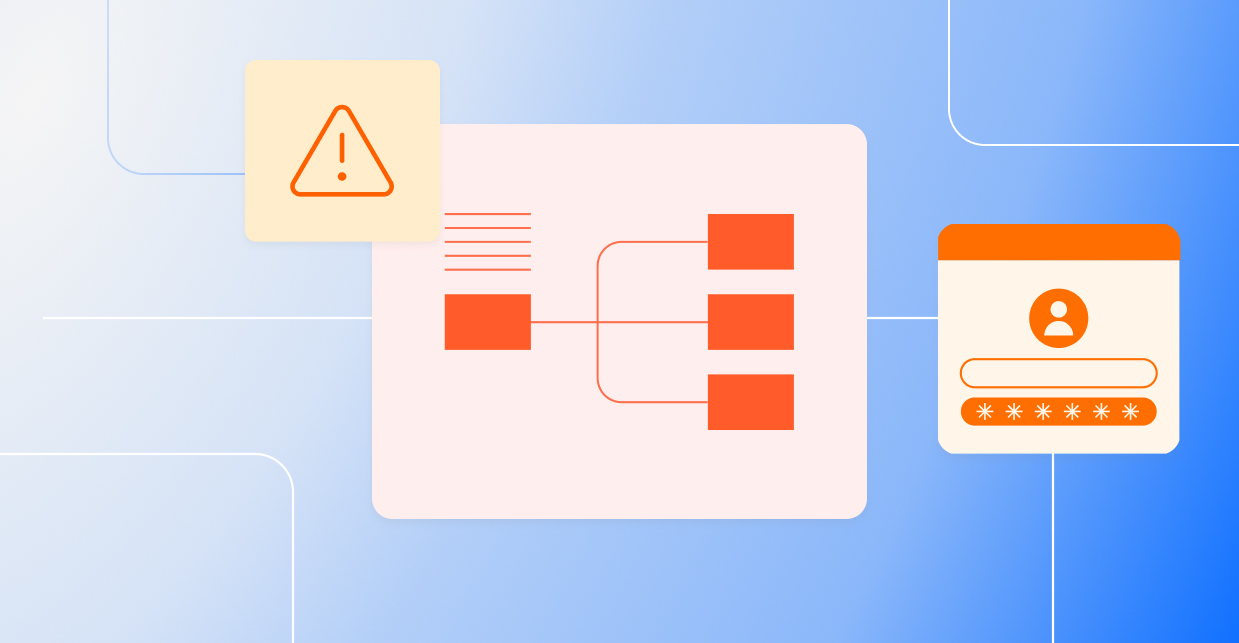
SSVC decision trees are structured methodologies used within the SSVC framework to prioritize vulnerabilities. They guide decision-making by evaluating vulnerabilities against a series of criteria tailored to an organizational context, such as the potential impact of exploitation and the cost of remediation.
By following the paths laid out in the decision tree, stakeholders can systematically determine the priority level of each vulnerability, leading to informed decisions on remediation actions based on the organization’s unique risk tolerance and operational requirements.
What Are the Advantages of SSVC for Automating Prioritization?
The main advantage of SSVC is its ability to transform your decision-making process into an input layer that feeds your vulnerability management automation framework. By considering factors beyond severity, such as exploit availability and impact on production, SSVC provides a more holistic approach to prioritizing vulnerabilities. This helps organizations address the overload of high and critical vulnerabilities and allocate resources more effectively.
To make SSVC work in practice, organizations need more than a decision tree. They need the right stakeholders, asset context, vulnerability intelligence, metadata, and automation capabilities in place so prioritization decisions can be applied consistently at scale.
SSVC also encourages collaboration and communication among different teams within an organization. This aligns with the principles of DevSecOps, where vulnerability management is seen as a shared responsibility across the entire organization. By involving stakeholders from various departments, organizations can leverage their expertise and make more informed decisions regarding vulnerability management.
The following five considerations can help teams move from understanding SSVC conceptually to using it as part of an automated, risk-based vulnerability management program.
Ensure Stakeholder Understanding and Support for SSVC
Effective implementation of SSVC for automating vulnerability prioritization demands organizational alignment. It is important that all stakeholders are on board and fully understand the significance of prioritizing vulnerabilities.
Why? Because this understanding and support ensures that efforts are not only coordinated but also focused on the most critical threats facing the organization.
To enhance communication and collaboration within your organization, especially when implementing SSVC for vulnerability prioritization, consider the following recommendations:
Hold Regular Briefings and Updates
Conduct regular meetings or briefings to keep all team members informed about the latest developments in SSVC processes, changes in threat landscapes, and progress in vulnerability management efforts. These sessions are opportunities to show everyone the individual parts they plan in making the process work. SSVC succeeds in part because of cross-departmental collaboration, and it’s important to make that known as a continuous show of effort.
Conduct Collaborative Workshops
Organize workshops that involve participants from different departments to discuss SSVC processes, share insights, and brainstorm improvement areas. These workshops can serve as platforms for valuable collective knowledge.
Work Cross-Departmentally
Form dedicated teams consisting of members from various departments who champion and work on specific aspects of vulnerability management. This encourages a holistic approach to vulnerability management, where diverse perspectives and expertise contribute to more effective decision-making and prioritization.
Open Communication Channels
Establish open lines of communication across the organization to encourage the free flow of information and feedback. Tools like internal chat applications, forums, or regular Q&A sessions can help maintain an ongoing dialogue about cybersecurity matters.
Encourage Continuous Learning
Foster continuous learning that covers SSVC processes, cybersecurity awareness, and the latest trends in threat intelligence. Ensuring that all employees are educated about the specific practices and value related to SSVC can significantly improve organizational alignment and collaboration.
Governance structures can facilitate the successful integration of automation in vulnerability management. By establishing clear policies, roles, and oversight mechanisms, organizations can ensure that SSVC implementation is both effective and aligned with broader organizational objectives.
Policy Development
Develop policies that include detailed procedures for using SSVC. These policies should outline the scope, objectives, and methodologies to be used, ensuring consistency and alignment with organizational goals.
Role Definition
Clearly define roles and responsibilities related to SSVC implementation and vulnerability management. Establish who is responsible for decision-making, who carries out the prioritization process, and how information is communicated within the organization.
Oversight Mechanisms
Implement oversight mechanisms like regular reviews and performance metrics to monitor the effectiveness of SSVC automation. These mechanisms should aim to identify areas for improvement, ensure compliance with policies, and assess the alignment of SSVC efforts with strategic objectives.
Continuous Improvement Process
Establish a continuous improvement process that allows for the regular update and refinement of SSVC policies, practices, and tools based on feedback, technological advancements, and evolving cyber threat landscapes. This ensures that the organization remains agile and can adapt its vulnerability management practices as needed.
Build a Comprehensive Vulnerability and Asset Inventory
The foundation of any effective vulnerability management program lies in a comprehensive and maintained vulnerability and asset inventory.
Before diving into vulnerability prioritization, organizations must have an exhaustive overview of their assets. Effective asset management involves identifying, classifying, and maintaining up-to-date records of all assets within the organization’s infrastructure.
A detailed and current inventory serves as the backbone for automation, enabling organizations to understand the full scope of their digital and physical assets. It illuminates the landscape of potential vulnerabilities, providing the essential context needed for prioritizing remediation efforts effectively.
Without it, organizations are navigating blind in a sea of threats, unable to assess vulnerabilities and their criticality in the context of the assets.
Techniques for Aggregating and Normalizing Data
To ensure that the inventory remains actionable, you must aggregate and normalize data from diverse sources. This process includes:
- Automated Discovery Tools: Leveraging automated tools to scan and identify assets across the network, capturing critical details such as hardware specifications, installed software, and current patch levels.
- Centralized Asset Database: Implementing a centralized database where all asset information is stored, making it easier to update and access information across the organization.
- Normalization Processes: Applying normalization techniques to standardize the data format, making it consistent and comparable across different assets and vulnerabilities. This could involve categorizing assets by type, location, or function, and standardizing vulnerability information to match organizational naming conventions.
Leverage Reliable Vulnerability Intelligence Sources
The cornerstone of effective prioritization with SSVC is the reliance on reputable sources of vulnerability intelligence. These sources offer detailed insights into vulnerabilities’ severity, exploitability, and potential impact.
Integrating vulnerability intelligence with frameworks like SSVC and CVSS enables organizations to refine their prioritization process. A high CVSS score alone doesn’t dictate urgency; the context provided by vulnerability intelligence can indicate a lower exploitation likelihood, adjusting a high CVSS score’s priority appropriately.
Similarly, SSVC’s vulnerability prioritization framework benefits from this intelligence, guiding timely responses based on a deeper understanding of threats. By correlating data from diverse threat intelligence sources, organizations can significantly improve the accuracy of their vulnerability management decisions in the moment and over time as that intelligence dynamically evolves.
Correlate Asset Metadata for Enhanced Decision-Making
Organizations must continuously monitor the lifecycle of vulnerabilities in their environment to ensure nothing slips through the cracks. This includes correlating vulnerabilities with threat intelligence specific to the vulnerability landscape and considering the criticality of assets.
Asset metadata, including details like location, ownership, function, and criticality, provides essential context that enriches the vulnerability prioritization process. It allows organizations to weigh the potential impact of vulnerabilities against the backdrop of their specific operational environment, ensuring that resources are allocated to guard the most critical assets effectively.
Methods for Correlating Metadata Across Various Sources
To enhance decision-making, organizations can employ several techniques for correlating asset metadata:
- Break Down Security Tool Silos: Get a better understanding of all your asset context in one place by integrating and ingesting your security tools’ data into a platform that normalizes and deduplicates that information.
- Custom Tagging and Classification: Implementing custom tags for assets within vulnerability management tools to reflect their criticality and other relevant attributes.
- Automated Asset Discovery and Management: Utilizing automated discovery tools that not only identify assets but also gather and update their metadata continuously.
Implement Suitable Automation Capabilities
By automating the decision-making process and integrating vulnerability intelligence, organizations can optimize their resource allocation, concentrating efforts on mitigating the most significant threats. Automation in prioritization and remediation activities empowers teams to manage the increasing volume of vulnerabilities more proactively.
Implementing SSVC with Enterprise Vulnerability Management Platforms
Implementing SSVC with Nucleus Security’s unified vulnerability management platform involves setting up decision tree rules within the platform to automate vulnerability evaluation based on factors like risk rating, exploit characteristics, asset criticality, and data sensitivity.
Starting with a policy defining response times by vulnerability severity, organizations can tailor the granularity of their decision-making with as few as 16 rules for basic setups to around 100 for detailed approaches. Once established, these rules automatically adjust to new scans and threat intelligence updates, streamlining vulnerability management.
Using SSVC to Turn Vulnerability Prioritization into Action
To effectively manage vulnerabilities, strategic prioritization is key. Leveraging innovative methods such as the SSVC vulnerability prioritization framework, alongside vulnerability intelligence, allows for more nuanced decision-making and better resource use.
The synergy between these elements and automation empowers organizations to proactively address the growing challenge of vulnerabilities, ensuring a robust defense against cyber threats.

See Nucleus in Action
Discover how unified, risk-based automation can transform your vulnerability management.